International Students

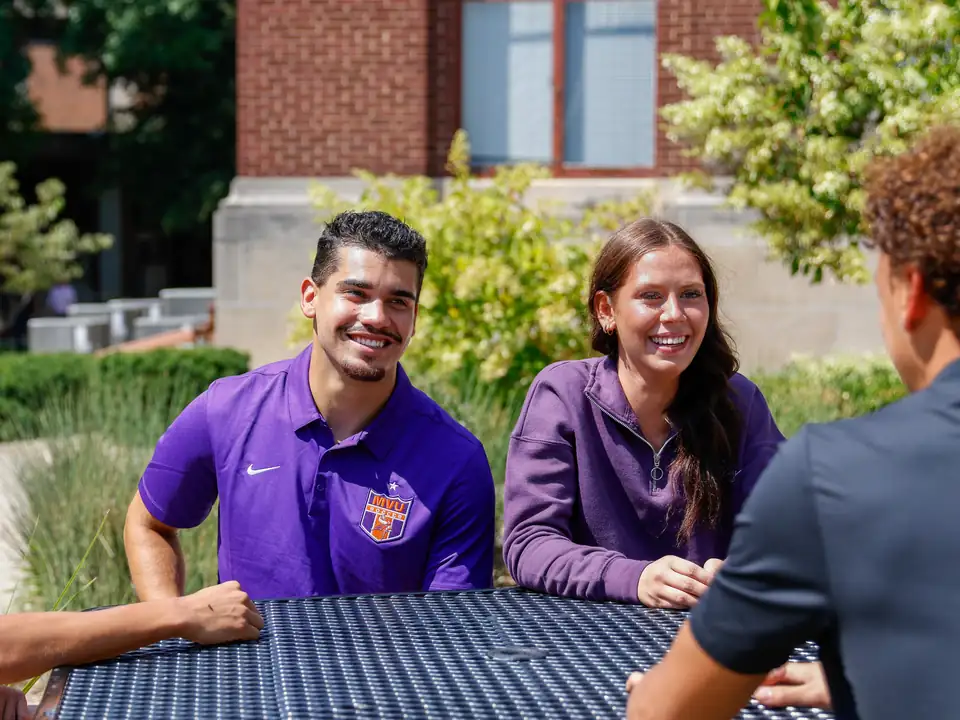
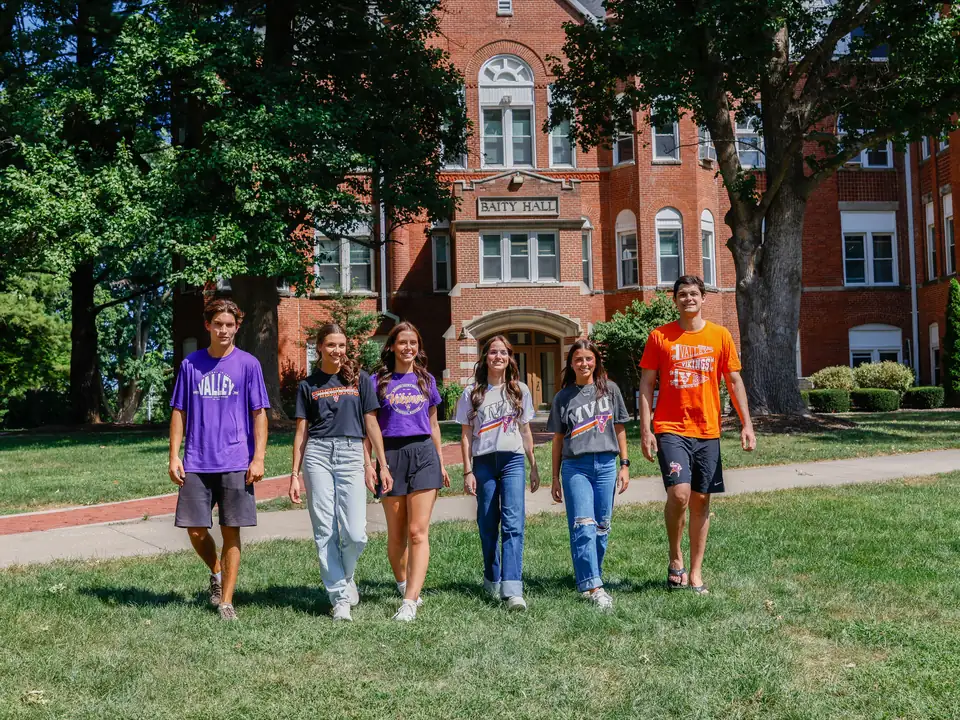
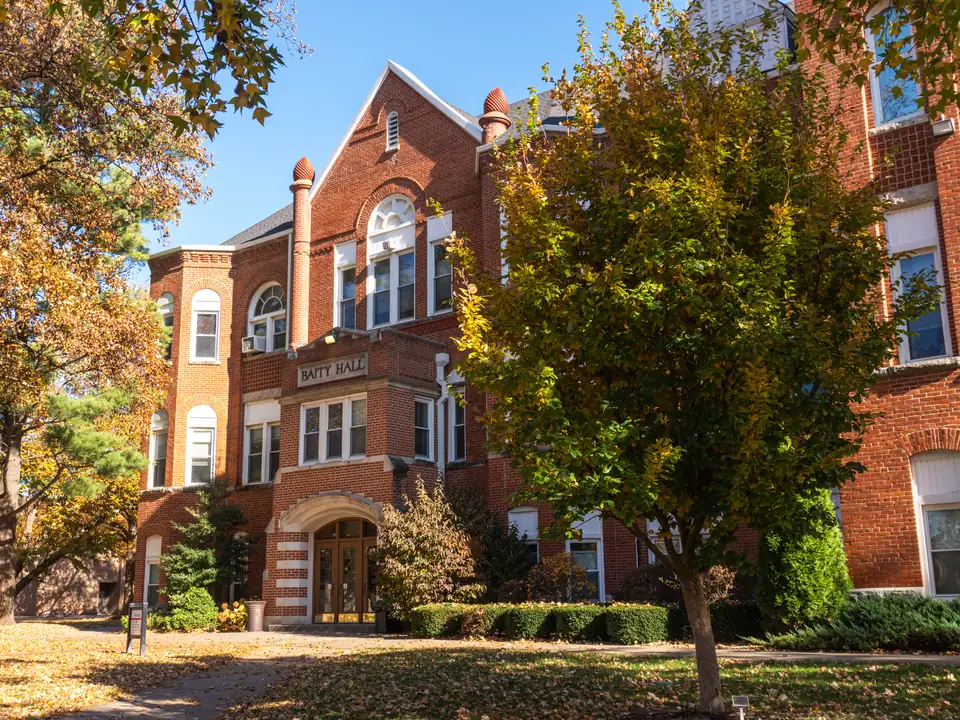
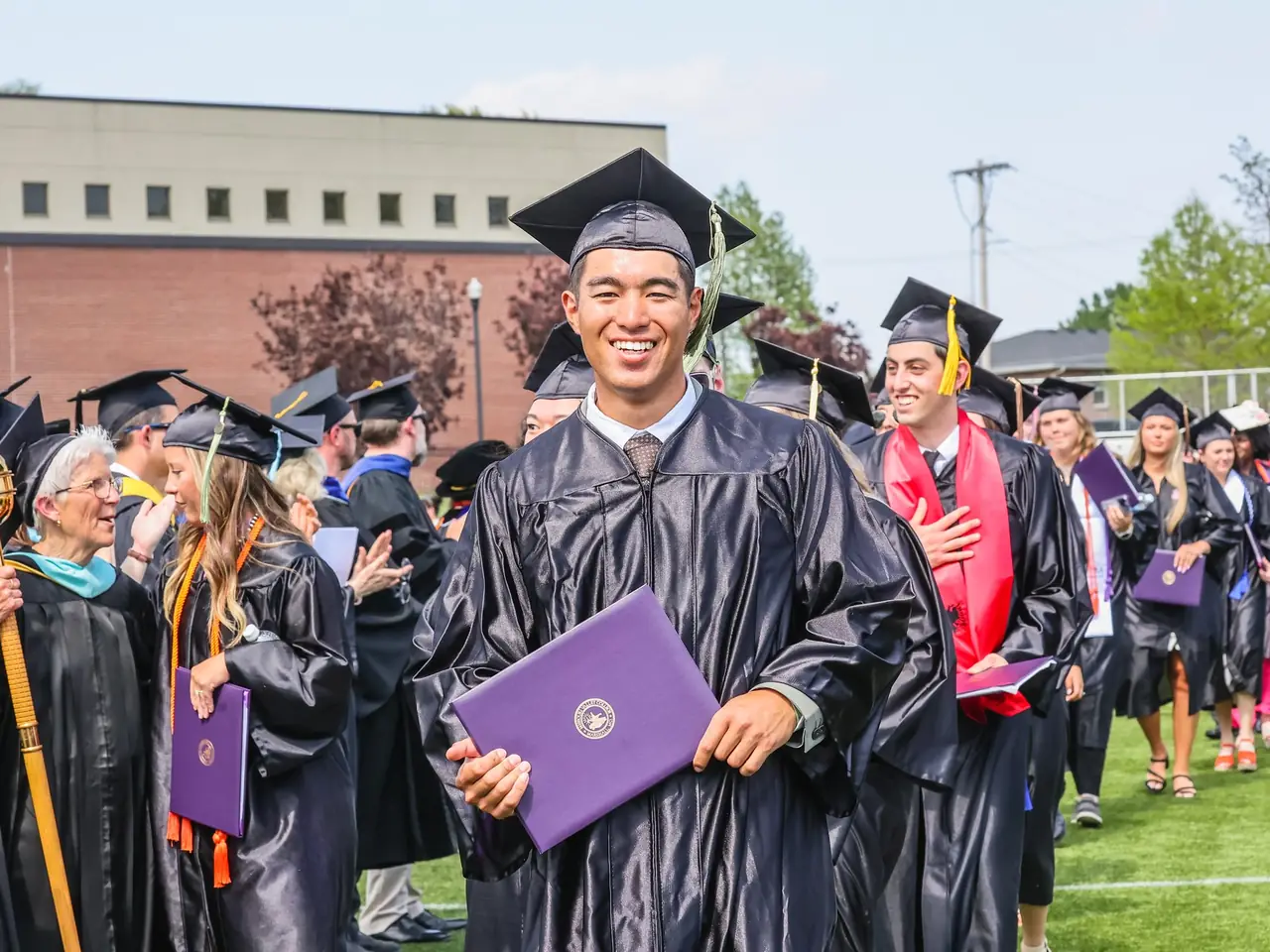
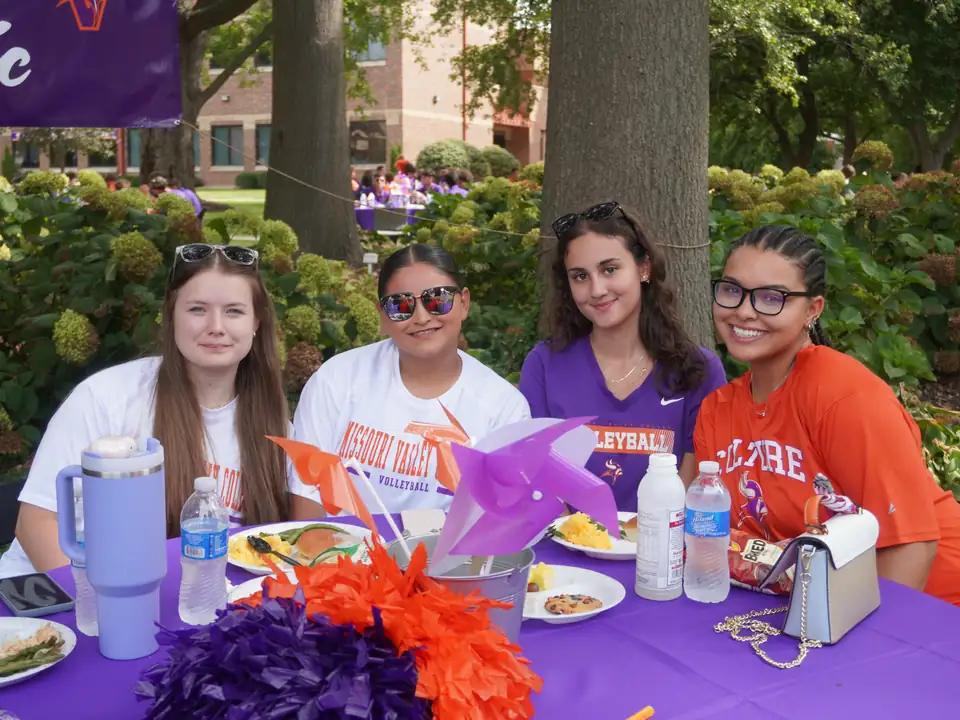
Missouri Valley College provides a welcoming and supportive environment for international students pursuing their college degree. Our campus community represents over 60 countries, offering a rich and diverse cultural experience. Students can choose from more than 30 undergraduate programs, ranging from business and marketing to biology and exercise science, all designed to provide a personalized and hands-on education.

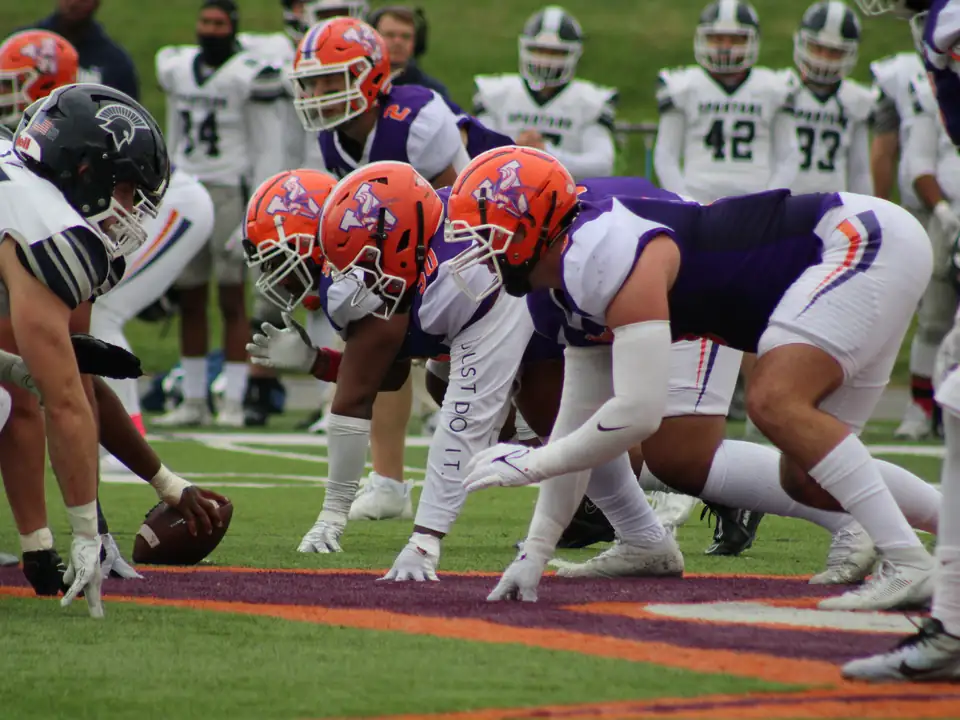
For student-athletes, Missouri Valley is home to one of the largest collegiate athletic programs in the country, with 31 varsity sports, offering the opportunity to continue competing while advancing academically. Scholarships and institutional aid are available to help make education more affordable, with over 90% of students receiving support.

Missouri Valley College is a place to learn, grow, and thrive—where students can feel at home while pursuing their academic and personal goals.

  • New Students
    • How To Apply
      The application process begins by completing the Inquiry Form at go.moval.edu/applynow. This form collects basic personal information, academic interests, and intended enrollment details to create the official application file at Missouri Valley College.

      After the Inquiry Form is submitted, access to the student portal is provided. Through the portal, the full application must be completed, including personal information, academic background, and emergency contact details.

      Completion of the full application is required for admission review and scholarship eligibility.

    • Next Steps After Applying – First-Time Freshman International Students

      After the application is submitted, official instructions are provided to guide students through the process of enrolling as an international student at Missouri Valley College.

      To ensure a clear and organized process, the college divides the admission and immigration procedure into three stages. Each stage outlines specific requirements, required documentation, and necessary actions that must be completed before proceeding to the next step.

      Detailed information for each stage is available below and should be carefully reviewed to understand the full process and all applicable requirements.

      • Stage 1 – Admission Process: This stage involves the official review of the application for admission and scholarship consideration at Missouri Valley College. During this stage, all required admission documents must be submitted through the student portal, including academic records, a passport copy, and any additional requested materials.
        • These documents are used to evaluate academic eligibility and determine the admission decision and scholarship award. Once the application file is complete and reviewed, an official admission letter and scholarship information are issued.
      • Stage 2 – Enrollment & Financial Documents: Following admission, this stage focuses on confirming enrollment and verifying financial eligibility in accordance with U.S. immigration requirements. International students must provide official financial documentation, such as a bank statement and a financial support form, to demonstrate sufficient funding for their studies. Completion of this stage allows the college to confirm enrollment and proceed with the preparation of the Form I-20.
      • Stage 3 – Form I-20 & F-1 Visa Instructions: This stage includes the issuance of the Form I-20 and the instructions required to apply for the F-1 student visa. The Form I-20 is an official immigration document necessary to schedule a visa interview and enter the United States as an international student.

      Important: Completion of all three stages is required to finalize the admission process, receive the Form I-20, obtain F-1 student status, and be authorized to begin studies at Missouri Valley College. 

    • Next Steps After Applying – Transfer International Students

      After the application is submitted, official instructions are provided to guide students through the process of enrolling as an international student at Missouri Valley College.

      To ensure a clear and organized process, the college divides the admission and immigration procedure into three stages. Each stage outlines specific requirements, required documentation, and necessary actions that must be completed before proceeding to the next step.

      Detailed information for each stage is available below and should be carefully reviewed to understand the full process and all applicable requirements.

      • Stage 1 – Admission Process: This stage involves the official review of the application for admission and scholarship consideration at Missouri Valley College. During this stage, all required admission documents must be submitted through the student portal, including academic records, a passport copy, and any additional requested materials.
        • These documents are used to evaluate academic eligibility and determine the admission decision and scholarship award. Once the application file is complete and reviewed, an official admission letter and scholarship information are issued.
      • Stage 2 – Enrollment & Financial Documents: Following admission, this stage focuses on confirming enrollment and verifying financial eligibility in accordance with U.S. immigration requirements. International students must provide official financial documentation, such as a bank statement and a financial support form, to demonstrate sufficient funding for their studies. Completion of this stage allows the college to confirm enrollment and proceed with the preparation of the Form I-20.
      • Stage 3 – Form I-20 & F-1 Visa Instructions: Transfer students who already possess a valid F-1 visa and have paid the SEVIS fee will receive a transfer I-20 from Missouri Valley College. This document formally updates the student’s SEVIS record to reflect enrollment at MVC and confirms continued F-1 status.

      Important: Completion of all three stages is required to finalize the admission process, receive the Form I-20, obtain F-1 student status, and be authorized to begin studies at Missouri Valley College.

    • Health Insurance

      All international students at Missouri Valley College are required to maintain valid health insurance coverage throughout their period of study. Health insurance coverage is mandatory and is necessary to support access to medical care and meet institutional requirements.

      Missouri Valley College provides a designated health insurance plan for international students. For more information regarding coverage and associated costs, click here

      For questions regarding the health insurance plan, please contact:

      Joshua Laird
      Head Athletic Trainer
      Instructor, Health Sciences Division
      Burns Athletic Complex
      Phone: 660-831-4270

      Email: lairdj@moval.edu


  • Maintaining Your F-1 Status

    International students at Missouri Valley College are required to follow all F-1 immigration regulations set by the U.S. Department of Homeland Security (DHS) and managed through the Student and Exchange Visitor Information System (SEVIS). Maintaining a valid F-1 status is essential to remain legally in the United States and to continue your academic program without interruption.

    F-1 status is your legal authorization to study in the U.S., and it comes with specific responsibilities. These requirements go beyond academics and include maintaining proper documentation, following enrollment rules, and complying with all immigration regulations at all times.

    Failure to follow these regulations can have serious consequences, including termination of your SEVIS record, loss of legal status, loss of employment eligibility, and possible removal from the United States. For this reason, it is important to stay informed and proactive in maintaining your status.

    The sections below outline the key requirements you must follow throughout your time at Missouri Valley College. Understanding and consistently meeting these requirements will help you maintain your F-1 status and avoid any immigration issues.


    • Passport and F-1 Visa Requirements
      Valid Passport Requirement

      Federal regulations require that international students maintain a valid passport at all times while present in the United States.

      The passport must:

      • Remain valid at least six (6) months into the future at all times
      • Be renewed before the expiration date

      Passport renewal is completed through the student’s home country embassy or consulate in the United States.

      Failure to maintain a valid passport may result in a violation of immigration status.

      F-1 Visa Requirements (Travel Only)

      The F-1 visa is the entry document issued by a U.S. embassy or consulate and placed in the passport. Its primary purpose is to allow entry into the United States in F-1 student status.

      The validity of the F-1 visa does not determine the length of authorized stay in the United States. It is permitted for the visa to expire while the student remains in the country, provided that all F-1 status requirements continue to be maintained and the Form I-20 remains valid.

      However, a valid F-1 visa is required for re-entry to the United States after international travel. If the visa has expired and international travel takes place, a new F-1 visa must be obtained at a U.S. embassy or consulate abroad before returning to the United States.

    • Form I-20 Requirements
      The Form I-20 is the official immigration document issued by Missouri Valley College that certifies eligibility for F-1 student status. This document is required to maintain a lawful status in the United States and contains important information regarding the student’s academic program, degree level, and authorized period of stay.

      The Form I-20 must remain valid, accurate, and up to date at all times.

      Students are required to notify the International Office of any changes that may affect the Form I-20, including, but not limited to:

      • Change of academic major
      • Change of degree level
      • Inability to complete the program by the listed end date
      • Change in financial support, sponsor, or funding source
      • Any other significant change to the academic program

      The International Office will review the information and issue an updated Form I-20 when appropriate.

      Program Completion and Extensions

      Each Form I-20 includes a program start date and a program end date. The program end date represents the period authorized for completion of the academic program, and this must be completed on or before the program end date listed on the Form I-20.

      If additional time is required to complete the program due to valid academic or medical reasons, a program extension must be requested and approved by the International Office before the current Form I-20 expires. Program extensions are not automatic and must be supported by appropriate academic justification and updated financial documentation.

      Failure to request and obtain a program extension before the expiration date of the Form I-20 is a violation of F-1 immigration regulations and may result in termination of the SEVIS record and loss of legal immigration status.

    • Full-Time Enrollment Requirement
      Federal immigration regulations require full-time enrollment during each required academic semester.

      At Missouri Valley College, undergraduate international students must enroll in a Minimum of 12 credit hours during the Fall and Spring semesters.

      Failure to maintain full-time enrollment is a violation of F-1 status.

      Online Course Limitation

      • Federal regulations limit the number of online courses that may count toward full-time enrollment.
      • Only one online course (maximum of three credit hours) may count toward the full-time requirement during each semester.
      • Additional online courses may be taken, but they will not count toward the minimum required 12 credit hours.

      Reduced Course Load Authorization

      • Enrollment below full-time is permitted only with prior authorization from the International Office and must meet specific immigration criteria.

      Unauthorized enrollment below full-time results in termination of the SEVIS record.

    • School Transfer Requirements
      F-1 students are admitted to the United States to study at the institution listed on the Form I-20. Enrollment must be maintained at Missouri Valley College unless an official SEVIS transfer to another Student and Exchange Visitor Program (SEVP)-certified school is properly completed.

      A transfer to another institution requires the following:

      • Acceptance to a new SEVP-certified institution: The student must first receive an official admission letter from the new school.
      • Submission of a Transfer Request to the International Office: The student must formally request the transfer and provide the admission letter and the requested transfer release date.
      • Official SEVIS Transfer by the International Office: The International Office will transfer the SEVIS record to the new institution on the approved release date. The new school will then issue a new Form I-20.

      Important Transfer Conditions

      To remain in a valid F-1 status during the transfer process, the following conditions must be met:

      • The transfer must be requested before the program end date listed on the current Form I-20 or within the 60-day grace period following program completion.
      • Full-time enrollment must be maintained until the transfer release date, unless the program has been completed.
      • The student must begin classes at the new institution at the next available academic term, and no later than 5 months after the SEVIS transfer release date or program completion date, whichever is earlier.
      • Employment authorization at Missouri Valley College ends on the SEVIS transfer release date.

    • Address Reporting Requirement
      Federal regulations require all students in F-1 status to maintain a current and accurate U.S. residential address in the Student and Exchange Visitor Information System (SEVIS). This requirement ensures that immigration records remain accurate and up to date.

      Address information must be reported to the International Office within 10 days of any of the following:

      • Moving to a new off-campus residence
      • Any change to the current U.S. physical living address

      The International Office is responsible for updating the student’s address in SEVIS as required by federal law.

      The reported address must be the physical residential address, not a P.O. Box, office address, or friend’s address, unless it is the actual place of residence.

      Failure to report address changes within the required 10-day period is a violation of F-1 immigration regulations and may result in immigration consequences, including possible termination of the SEVIS record.

      Students are responsible for ensuring that their address remains accurate at all times and must notify the International Office promptly whenever a change occurs.

    • Employment Authorization Requirement
      Employment in the United States is strictly regulated for students in F-1 status. All employment must be authorized and approved before any work begins, including paid and unpaid positions.

      Unauthorized employment is a serious violation of F-1 immigration regulations and may result in:

      • Immediate termination of the SEVIS record
      • Loss of legal F-1 immigration status
      • Loss of eligibility for future immigration benefits, including CPT and OPT

      F-1 students are only permitted to work under specific authorized employment categories, which may include:

      1. On-Campus Employment: Employment physically located on the Missouri Valley College campus or with an approved on-campus employer. On-campus employment is limited to 20 hours per week while school is in session and may be full-time during official school breaks.
      2. Curricular Practical Training (CPT): Off-campus employment that is directly related to the student’s major and is an approved part of the academic program. CPT must be authorized in advance by the International Office and reflected on the Form I-20.
      3. Optional Practical Training (OPT): Temporary employment authorization that allows students to gain practical work experience in their field of study, typically used after program of study completion. OPT requires approval from U.S. Citizenship and Immigration Services (USCIS).

      Off-campus employment is not permitted without specific authorization. Any off-campus work, including paid or unpaid positions, internships, remote work, or freelance activities, is prohibited unless officially authorized through an approved employment category such as Curricular Practical Training (CPT) or Optional Practical Training (OPT) and properly documented on the Form I-20 and/or approved by U.S. Citizenship and Immigration Services (USCIS).

    • Travel Requirements
      International travel while in F-1 status requires proper planning and valid immigration documentation to ensure eligibility for re-entry to the United States. U.S. Customs and Border Protection (CBP) officers review immigration documents at the port of entry and determine admissibility.

      Failure to present the required documents may result in denial of entry to the United States.

      Students are responsible for ensuring that all required documents are valid before traveling.

      Required Documents

      The following documents are required for entry into the United States in F-1 student status:

      • Valid passport (valid at least six months into the future)
      • Valid F-1 visa
      • Valid Form I-20
      • Valid travel signature on the Form I-20

      Failure to present these documents may result in denial of entry.

      Travel Signature Requirement

      The Form I-20 must include a valid travel signature from the Designated School Official (DSO) at Missouri Valley College. The travel signature confirms that the student is maintaining a valid F-1 status.

      Travel signature validity:

      • Enrolled students: valid for 12 months
      • Students on OPT: valid for 6 months

      If the travel signature will expire before re-entry, a new signature must be obtained before departing the United States.

    • Legal Compliance Requirement
      International students in F-1 status are required to comply with all laws and regulations of the United States at all times. This includes compliance with:

      • Federal laws of the United States
      • State laws
      • Local and municipal laws
      • College Public Safety and regulations at Missouri Valley College

      Compliance with the law is a fundamental condition of maintaining a valid F-1 immigration status.

      Any violation of the law, including criminal charges or convictions, may have serious immigration consequences. U.S. immigration authorities closely monitor legal violations, and certain offenses may result in immediate or long-term immigration consequences.

    • Summary
      Maintaining a valid F-1 immigration status is a legal requirement established by the U.S. Department of Homeland Security and is a mandatory condition for enrollment at Missouri Valley College. Compliance with these regulations allows international students to remain lawfully present in the United States and to continue progressing toward the successful completion of their academic program.

      F-1 status is not permanent and is maintained only through continuous compliance with all federal immigration requirements. Each student is individually responsible for ensuring that all documents remain valid, all enrollment requirements are met, and all immigration regulations are followed throughout the duration of the academic program.

      Failure to maintain a valid F-1 status may result in serious immigration consequences, including:

      • Termination of the SEVIS record
      • Loss of legal permission to remain in the United States
      • Loss of eligibility for employment benefits, including CPT and OPT
      • Loss of eligibility for school transfer
      • Requirement to depart the United States
      • Possible negative impact on future U.S. visa applications

      International students must monitor the validity of all immigration documents, maintain full-time enrollment, follow employment regulations, and report required information to the International Office on time.

      Missouri Valley College is committed to supporting international students throughout their academic journey. The International Office provides guidance, advising, and assistance to help ensure compliance with immigration regulations and to support student success. However, ultimate responsibility for maintaining lawful immigration status rests with the student.

      International students and their families are strongly encouraged to contact the International Office whenever questions arise regarding immigration status, travel, employment, enrollment, or any situation that may affect F-1 status.

      Maintaining a valid immigration status is essential not only for remaining in the United States but also for protecting future academic, professional, and immigration opportunities.


  • Travel Outside the U.S. During Your Studies

    International travel during your enrollment at Missouri Valley College requires careful planning to maintain your F-1 status and avoid complications when re-entering the United States. Traveling without proper preparation or documentation can lead to delays, additional questioning at the port of entry, or denial of re-entry.

    As an F-1 student, you are responsible for ensuring that all required documents are valid, up to date, and available when you travel. You must also plan your travel around your academic responsibilities and stay informed about U.S. immigration regulations.

    The sections below outline the key requirements and recommendations you should review before traveling internationally. These guidelines will help you prepare properly, reduce risk, and ensure a smooth return to the United States:


    • Required Documents for Re-Entry to the U.S.
      The following documents must be carried in your hand luggage when traveling internationally. These documents are required for re-entry to the United States and should not be placed in checked baggage:

      • Passport: Must be valid for at least six months beyond the date of re-entry.
      • F-1 Visa: A valid F-1 visa is required for re-entry. If the visa has expired, a new visa must be obtained at a U.S. consulate before returning.
      • Form I-20 with Travel Signature: The Form I-20 must include a valid travel signature from the International Office. The signature must be less than one year old.
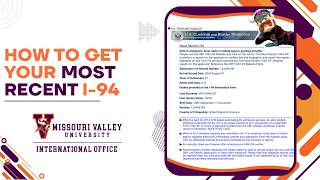
      • I-94 Record: This is the official U.S. travel record. The most recent I-94 can be accessed at https://i94.cbp.dhs.gov/search/recent-search
      • Enrollment Verification Letter: Available from the Registrar’s Office, this letter confirms active enrollment at Missouri Valley College.

    • Additional Recommended Documents
      While not always required, carrying these documents can help prevent delays or questions during travel:

      • Copies of previous I-20 forms
      • Current class schedule
      • College transcript
      • Scholarship award letter or other financial documentation

    • Traveling During School Breaks
      International students planning to travel outside the United States during school breaks must visit the International Office at least two weeks before departure to request a travel signature on their Form I-20. A Designated School Official (DSO) will review the travel plans and provide the required signature, confirming that the student is maintaining a valid F-1 status.

      Important:

      • Processing a travel signature typically takes 2 to 3 business days.
      • The travel signature must be on page 2 of the Form I-20 and issued within the last 12 months.
      • Without a valid travel signature, re-entry to the United States may be denied.

    • Traveling During the Semester
      Travel during the academic semester is generally discouraged unless it is an emergency. Students who must travel while classes are in session should:

      • Contact the International Office before booking travel.
      • Provide information about the length and purpose of the trip.
      • Depending on the duration of the absence, request a leave of absence to maintain F-1 status if necessary.

    • Other Travel Reminders
      Before traveling internationally, students should follow these guidelines:

      • Review visa and entry requirements for all countries on the travel itinerary.
      • Always enter and exit the United States through authorized ports of entry where immigration officers are present.
      • Carry all required immigration documents, including:
        • Passport
        • Valid F-1 visa
        • Form I-20 with a current travel signature
      • Travel to U.S. territories (e.g., Puerto Rico, U.S. Virgin Islands) also requires carrying a passport, a valid F1 visa, and a Form I-20.


  • F-1 Student Employment

    F-1 students at Missouri Valley College may have opportunities to work while studying; however, all employment must strictly follow U.S. immigration regulations. Working without proper authorization is a serious violation of F-1 status and may result in the termination of your SEVIS record, loss of legal status, and potential difficulties remaining in or re-entering the United States.

    Before accepting any job, it is important to understand what types of employment are allowed and what authorization is required. Each employment category has specific rules, eligibility requirements, and limitations that must be followed at all times. Students are responsible for ensuring they have proper authorization before beginning any work.

    The sections below outline the main types of employment available to F-1 students and the key rules you must follow to maintain your immigration status while working.


    • On-Campus Employment
      F-1 students may work on campus without special authorization from U.S. Citizenship and Immigration Services (USCIS), provided the following conditions are met:

      • Work is limited to up to 20 hours per week during the fall and spring semesters.
      • Full-time work is permitted during official college breaks (summer, winter, and spring).
      • Students must maintain full-time enrollment and be in good academic standing.
      • Employment must be on campus or at a site officially affiliated with Missouri Valley College.

      How to Start an On-Campus Job:

      1. Obtain a Job Offer from a College Department
        • Students must first secure a position from a department at Missouri Valley College (e.g., academic department, athletics, dining services).
      2. Submit the Hiring Letter to the International Office
        • Bring the official hiring letter from the department to the International Office.
        • The International Office verifies F-1 eligibility and issues an employment authorization letter confirming the student is permitted to work based on their F-1 status.
      3. Complete HR Onboarding
        • Take the employment authorization letter to the Human Resources department.
        • HR completes the hiring paperwork.
      4. Apply for a Social Security Number (SSN)
        • After HR completes the hiring process, students use the employment authorization letter and HR documentation to apply for a Social Security Number.
        • The SSN is required for payroll and tax reporting purposes.

      Examples of On-Campus Jobs:

      • Department assistant or faculty assistant
      • Tutor or teaching assistant
      • Resident assistant (RA)
      • Student ambassador
      • Cafeteria, Qdoba, and Starbucks staff
      • Maintenance or support staff

    • Off-Campus Employment
      Off-campus employment is not permitted without specific authorization. Any off-campus work, including paid or unpaid positions, internships, remote work, or freelance activities, is prohibited unless officially authorized through an approved employment category such as Curricular Practical Training (CPT) or Optional Practical Training (OPT) and properly documented on the Form I-20 and/or approved by U.S. Citizenship and Immigration Services (USCIS).

      Curricular Practical Training (CPT)

      Curricular Practical Training (CPT) is a type of off-campus work authorization that allows F-1 students to gain practical experience in a job or internship directly related to their major. CPT is considered part of the academic program and may be required or offered for credit.

      CPT Requirements:

      • Employment must be directly related to the student’s major and either required or approved for credit by the academic program.
      • Students must complete one full academic year (two semesters) of study in valid F-1 status before starting CPT (exceptions may apply for graduate students).
      • The International Office must approve CPT and update the student’s Form I-20 with employer details, work dates, and work hours (part-time or full-time).
      • Part-time work (20 hours or less per week) is allowed during semesters, and full-time work may be allowed during breaks or if approved by the program.

      Important: For more information on CPT, please click here.

      Optional Practical Training (OPT)

      Optional Practical Training (OPT) is a type of temporary employment authorization that allows F-1 students to gain practical work experience directly related to their major field of study after completing their academic program.

      Eligibility for OPT

      • Must maintain a valid F-1 status.
      • Must have completed at least one full academic year.
      • Must be a graduating student in the term in which the OPT application is submitted.
      • Employment must be directly related to the student’s major field of study.

      Key OPT Guidelines

      • Students are eligible for up to 12 months of OPT per degree level (bachelor’s or master’s).
      • OPT must be authorized by USCIS; Form I-765 must be submitted along with the filing fee.
      • Processing can take 2–5 months, so early application is recommended.
      • Applications may be submitted up to 90 days before the program end date and no later than 60 days after program completion.

      Important Reminders

      • OPT is not employer-specific like CPT; students may work for any qualifying employer as long as the job is related to their field of study.
      • A job offer is not required to apply for OPT; however, once approved, students must report employment through the SEVP Portal.
      • Any changes in employment must be reported in the SEVP Portal and to the International Office.
      • Students should keep copies of all important documents, including I-20s, job offers, EAD cards, and USCIS notices.

      Important: For more information on OPT, please click here.

    • Important Rules to Maintain F-1 Status While Working
      To protect your F-1 status while working in the U.S., it is essential to follow all employment regulations set by U.S. immigration. Any unauthorized employment may result in the termination of your SEVIS record and loss of legal status.

      Employment Rules for F-1 Students:

      • Never work off campus without prior written approval from the International Office or USCIS. Unauthorized work can lead to loss of your visa status.
      • Limit on-campus work to 20 hours per week during semesters and full-time during breaks.
      • Your work must not interfere with your full-time enrollment or other visa requirements.
      • Always get authorization on your I-20 before starting CPT.
        For OPT, do not start working without your EAD card and approval dates.
      • Keep copies of all your work-related documents: job offers, updated I-20s, EAD cards, and USCIS approvals.
      • Report any changes in your employment or status to the International Office immediately. This includes starting or ending jobs, applying for OPT, or changing employers.


  • International Student Glossary

    This glossary is designed to help international students and their families understand key immigration terms, government agencies, and institutional offices encountered while studying at Missouri Valley College.

    Many of these terms appear in official immigration documents, U.S. government communications, and college policies. A clear understanding of this terminology is essential for maintaining valid F-1 student status, following immigration regulations, and completing your academic program in the United States.

    Because immigration language can sometimes be complex or unfamiliar, this section serves as a quick and reliable reference. Students are encouraged to review these terms regularly and refer back to this glossary whenever questions arise about their status, responsibilities, or required processes.

    The sections below organize important terms into categories to make them easier to understand and navigate.

    • F-1 Visa
      The F-1 visa is the entry document issued by a U.S. embassy or consulate abroad. It is placed in the passport and allows the student to request entry into the United States as an international student.

      The visa is used only for entry into the United States and may expire while the student remains in the country. The expiration of the visa does not affect the student’s legal status as long as the student maintains valid F-1 status and a valid Form I-20.

    • F-1 Student Status
      F-1 status is the legal immigration classification granted to international students who are authorized to study full-time in the United States.

      F-1 status is maintained by:

      • Enrolling full-time each required semester
      • Maintaining valid immigration documents
      • Following employment regulations
      • Complying with immigration reporting requirements

    • Port of Entry
      The Port of Entry is the location where a student first enters the United States, such as an airport or land border crossing.

      At the Port of Entry, a U.S. Customs and Border Protection (CBP) officer reviews immigration documents and determines eligibility to enter the United States in F-1 status.


    School and Immigration Record Terms


    • Form I-20
      The Form I-20 is the official immigration document issued by Missouri Valley College that certifies eligibility for F-1 student status.

      This document includes important information such as:

      • Personal Information
      • Academic program
      • Degree level
      • Program start and end dates
      • Financial information

      The Form I-20 is required for:

      • Applying for the F-1 visa
      • Entering the United States
      • Maintaining immigration status
      • Applying for employment authorization
      • International travel

      This is one of the most important immigration documents and must be kept valid at all times.

    • SEVIS (Student and Exchange Visitor Information System)
      SEVIS is the U.S. government database used to track and monitor international students during their stay in the United States.

      SEVIS contains information including:

      • Enrollment status
      • Address
      • Employment authorization
      • Immigration history

      Missouri Valley College is required by federal law to maintain accurate SEVIS records.

    • SEVIS Record
      The SEVIS record is the student’s individual immigration record within the SEVIS system.

      This record must remain active for the student to maintain legal F-1 status.

      If the SEVIS record is terminated, the student loses legal immigration status.


    Institutional Support and School Officials


    • International Office
      Missouri Valley College’s office responsible for international student support manages all immigration records and guides F-1 status compliance.

      The International Office assists students with:

      • Issuing Form I-20 documents
      • Providing travel signatures
      • Authorizing employment
      • Updating SEVIS records
      • Providing immigration advice

      This office serves as the primary point of contact for all immigration-related questions and approvals.

    • Designated School Official (DSO)
      A Designated School Official (DSO) is a trained staff member authorized by the U.S. government to manage international student records and provide immigration advising.

      The DSO is authorized to:

      • Issue and update Form I-20 documents
      • Authorize Curricular Practical Training (CPT)
      • Provide travel signatures
      • Update SEVIS records

      Students must contact a DSO for immigration-related approvals.

    • Principal Designated School Official (PDSO)
      The Principal Designated School Official (PDSO) is the primary official responsible for managing Missouri Valley College’s international student program.

      The PDSO ensures the institution complies with federal immigration regulations and oversees all SEVIS operations.


    Employment Authorization Terms


    • Curricular Practical Training (CPT)
      CPT is an employment authorization that allows F-1 students to participate in off-campus internships, training, or employment that is directly related to their academic major and is an integral part of their academic program.

      CPT authorization is granted by the International Office and must be approved before any employment begins. Authorization is documented on the student’s Form I-20.

      Working without CPT authorization or outside the approved dates is a violation of F-1 status.

    • Optional Practical Training (OPT)
      Optional Practical Training (OPT) is an employment authorization that allows F-1 students to gain practical work experience in their field of study. OPT is most commonly used after completing the academic program, but may also be authorized before program completion in certain cases.

    • Employment Authorization Document (EAD)
      The Employment Authorization Document (EAD) is the official work authorization card issued by U.S. Citizenship and Immigration Services (USCIS).

      The EAD serves as proof of legal authorization to work in the United States under OPT.


    Government Agencies


    • U.S. Citizenship and Immigration Services (USCIS)
      U.S. Citizenship and Immigration Services (USCIS) is the federal agency within the U.S. Department of Homeland Security responsible for administering immigration benefits and applications.

      USCIS processes requests related to:

      • Optional Practical Training (OPT)
      • Employment Authorization Documents (EAD)
      • Change of immigration status
      • Reinstatement of F-1 student status
      • Other immigration benefit applications

      USCIS does not manage student enrollment records but is responsible for approving employment authorization and certain immigration benefits. Students must receive USCIS approval before beginning OPT employment.

    • U.S. Customs and Border Protection (CBP)
      U.S. Customs and Border Protection (CBP) is the federal law enforcement agency responsible for securing U.S. borders and inspecting individuals entering the United States.

      CBP officers review immigration documents and determine whether a student is eligible to enter the country in F-1 status and have the authority to:

      • Admit students into the United States
      • Deny entry if requirements are not met
      • Ask questions about the student’s academic program and immigration status

      Final permission to enter the United States is granted by CBP at the Port of Entry, not by the visa alone.

    • Student and Exchange Visitor Program (SEVP)
      The Student and Exchange Visitor Program (SEVP) is a program within the U.S. Department of Homeland Security that oversees schools authorized to enroll international students.

      SEVP is responsible for:

      • Certifying schools to issue Form I-20 documents
      • Monitoring schools’ compliance with immigration regulations
      • Managing the SEVIS database

      Only schools certified by SEVP, such as Missouri Valley College, are authorized to enroll F-1 international students and issue Form I-20 documents.

      SEVP also establishes the federal regulations that international students and schools must follow.


    Program Completion Term


    • Grace Period
      The Grace Period is the period after program completion during which a student may prepare to leave the United States, transfer schools, or apply for OPT.

      For F-1 students, this period is typically 60 days.


Staff

Yesenia Farfan
Director of International Admissions
PDSO
David Alvarenga
Assistant Director of International Admissions