For enrolled F-1 students
Current International Students
You made it to MVU. Now let’s keep you here. Use this page to protect your F-1 status while you study, work, and travel, so nothing gets between you and your degree.
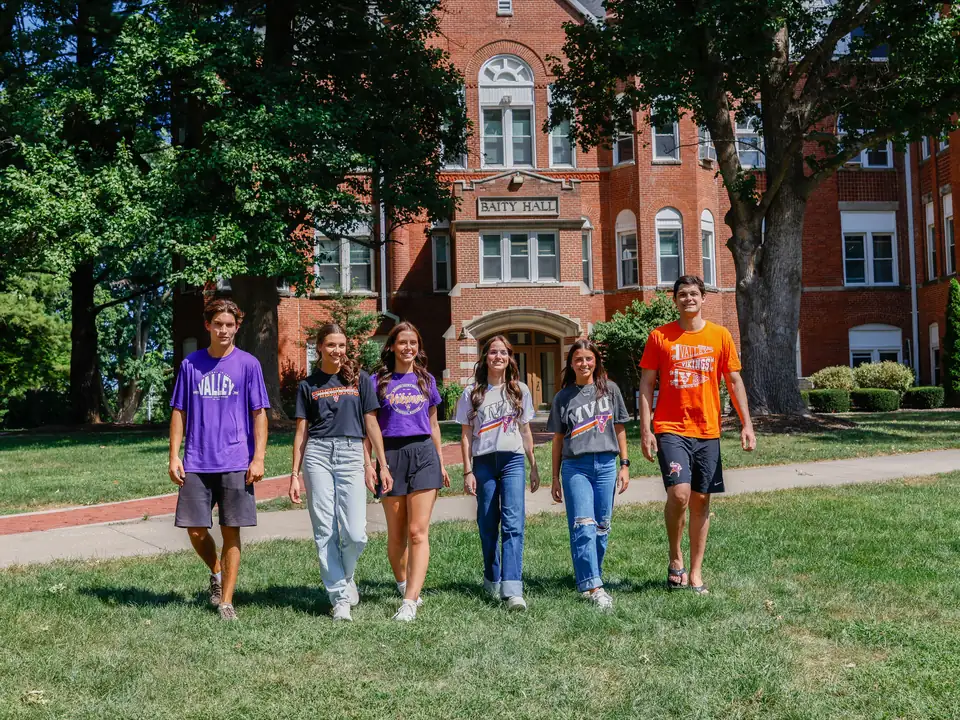
Everything You Need to Know as an International Student
Not enrolled yet? This page is for current F-1 students at MVU. If you’re applying, visit International Students for admission steps, scholarships, and how to get your Form I-20.
Keep Your
F-1 Status
F-1 status is your legal permission to study in the United States. It stays valid as long as you follow the rules below. Miss one, and you could lose your SEVIS record, your ability to work, or your right to stay. We’re here to help you stay on track.
Keep Your Passport Valid
In most cases, your passport should be valid at least six months beyond the date you enter the U.S. Renew it before it expires through your home country’s embassy or consulate.
Enroll Full Time
Take at least 12 credit hours each fall and spring semester (9 if you’re a graduate student, or 6 if you’re a graduate assistant). Only one online course, up to 3 credits, counts toward that total.
Keep Your I-20 Up to Date
Tell the International Office if you change your major or degree level, need more time to finish, or change who pays for your studies.
Report a Move Within 10 Days
Moved? Report your new U.S. home address to the International Office within 10 days. It must be where you actually live, not a P.O. box or office.
Work Only With Approval
Every job, paid or unpaid, must be authorized before you start. See working in the U.S. for on-campus jobs, CPT, and OPT.
Follow the Law
Follow federal, state, and local laws and MVU’s campus policies. Legal trouble can have serious immigration consequences.
The Details
Passport and F-1 visa
Passport: keep your passport valid. In most cases, it should be valid for at least six months beyond the date you enter the United States. You can usually renew it through your home country’s embassy or consulate in the U.S. Check your country’s renewal requirements and renew before it expires.
F-1 visa: your F-1 visa lets you travel to the United States and request entry as a student. It’s different from your permission to stay in the U.S. Your visa can expire while you’re here, as long as you maintain your F-1 status.
Renewing your F-1 visa: you can’t renew your F-1 visa from inside the United States. If your visa expires and you plan to travel abroad and return, you’ll generally need to apply for a new one at a U.S. embassy or consulate outside the U.S. You can apply before your current visa expires. You don’t have to wait until it does.
Your Form I-20 and program extensions
The Form I-20 is the official immigration document MVU issues to confirm your eligibility for F-1 student status. It shows your:
- Academic program
- Degree level
- Authorized period of study
You must keep your Form I-20 valid and accurate at all times. Contact the International Office if you:
- Change your major
- Change your degree level
- Can’t finish by the program end date on your I-20
- Have a change in financial support, sponsor, or funding
- Have any other major change to your program
We’ll review the change and issue an updated I-20 when needed.
Need more time? You must finish your program by the end date on your I-20. If you need longer for a valid academic or medical reason, request an extension from the International Office before your I-20 expires. Extensions aren’t automatic and require updated financial documents. Missing the deadline is a status violation and can end your SEVIS record.
Full-time enrollment and online classes
- Undergraduate students: at least 12 credit hours in the fall and spring semesters.
- Graduate students: at least 9 credit hours in the fall and spring semesters. Graduate assistants meet the full-time requirement with 6 credit hours.
- Online classes: only one online course (up to 3 credit hours) can count toward full-time enrollment each semester. You can take more online courses, but their credits don’t count toward your minimum.
How online credits count
- Undergraduate: 9 in-person credits + 3 online credits = 12 credits (full time).
- Graduate: 6 in-person credits + 3 online credits = 9 credits (full time).
- Too many online credits: 6 in-person credits + 6 online credits = only 9 credits that count, so an undergraduate would not meet the 12-credit minimum.
Dropping below full time: you must get approval from the International Office before you drop below the required credit hours. Approval is only allowed for specific immigration-related reasons. Dropping below full time without approval can result in the termination of your SEVIS record.
Before you drop a class, check the Academic Calendar and contact the International Office.
Transferring to another school
You must stay enrolled at MVU unless your SEVIS record is officially transferred to another SEVP-certified school. Here’s how it works:
- Get admitted to the new SEVP-certified school.
- Submit a transfer request to the International Office with your admission letter and the release date you want.
- The International Office releases your SEVIS record on that date, and your new school issues a new I-20.
To stay in status during a transfer:
- Request the transfer before the program end date on your I-20, or within the 60-day grace period after you finish.
- Stay enrolled full time until your release date, unless you’ve completed your program.
- Start classes at the new school in the next available term, no later than 5 months after your release date or program completion, whichever comes first.
- Your permission to work at MVU ends on your SEVIS release date.
Reporting your address
F-1 students must keep a current, accurate U.S. residential address in SEVIS (the Student and Exchange Visitor Information System).
When to report a change
Report your address to the International Office within 10 days of:
- Moving to a new residence
- Any change in your U.S. living address
Important rules
- The address must be your physical residence.
- P.O. boxes and office addresses aren’t allowed, unless that’s where you actually live.
- The International Office updates your SEVIS record based on the information you provide.
Your responsibility: keeping your address up to date is your responsibility at all times. Not reporting a change within 10 days may lead to immigration consequences, including termination of your SEVIS record.
What happens if you fall out of status
F-1 status isn’t permanent. It lasts only as long as you follow the rules. Falling out of status can lead to:
- Termination of your SEVIS record
- Losing permission to stay in the U.S.
- Losing eligibility for CPT, OPT, and school transfers
- Having to leave the country
- Problems with future U.S. visa applications
Keeping your status is ultimately your responsibility, but you don’t have to figure it out alone. Ask the International Office whenever you have a question about enrollment, travel, work, or your documents. Families are welcome to reach out too.
When in doubt, ask first. Check with the International Office before you drop a class, change your program, move, travel, or accept a job.
Traveling
Outside the U.S.
Heading home for break or traveling abroad? Plan ahead so you can come back without delays. U.S. Customs and Border Protection officers decide whether you can re-enter, so your documents need to be in order before you leave.
01
Check Your Documents
Make sure your passport, F-1 visa, and Form I-20 will all be valid on the day you return.
02
Get a Travel Signature
Visit the International Office at least two weeks before you leave. Signatures usually take 2 to 3 business days.
03
Keep Documents in Your Personal Bag
Keep your immigration documents in your personal bag, not your checked luggage, so they’re easy to access.
Bring These to Re-Enter the U.S.
- Passport valid at least six months past your re-entry date
- F-1 visa that’s still valid. If it has expired, get a new one at a U.S. embassy or consulate before you return.
- Form I-20 with a travel signature on page 2, signed within the last 12 months (6 months if you’re on OPT)
- Your I-94 record, the official record of your U.S. arrival. Get your most recent one from the CBP I-94 website (opens in a new tab).
- Enrollment verification letter from the Office of the Registrar
Good to Have With You
- Copies of your previous I-20s
- Your current class schedule
- Your transcript
- Your scholarship award letter or other financial documents
These aren’t always required, but they can help answer questions at the border.
Before You Book
Traveling during the semester
Travel while classes are in session is discouraged unless it’s an emergency. If you need to go:
- Contact the International Office before you book.
- Share how long you’ll be gone and why.
- Depending on how long you’ll be away, you may need a leave of absence to protect your F-1 status.
More travel reminders
- Check the visa and entry rules for every country on your itinerary.
- Always enter and leave the U.S. through an official port of entry with immigration officers.
- Travel to U.S. territories, such as Puerto Rico or the U.S. Virgin Islands, still requires your passport, a valid F-1 visa, and your I-20.
- Plan trips around your class schedule and the Academic Calendar.
No travel signature, no guarantee. Without a valid travel signature on your I-20, you could be denied re-entry to the United States.
Working
in the U.S.
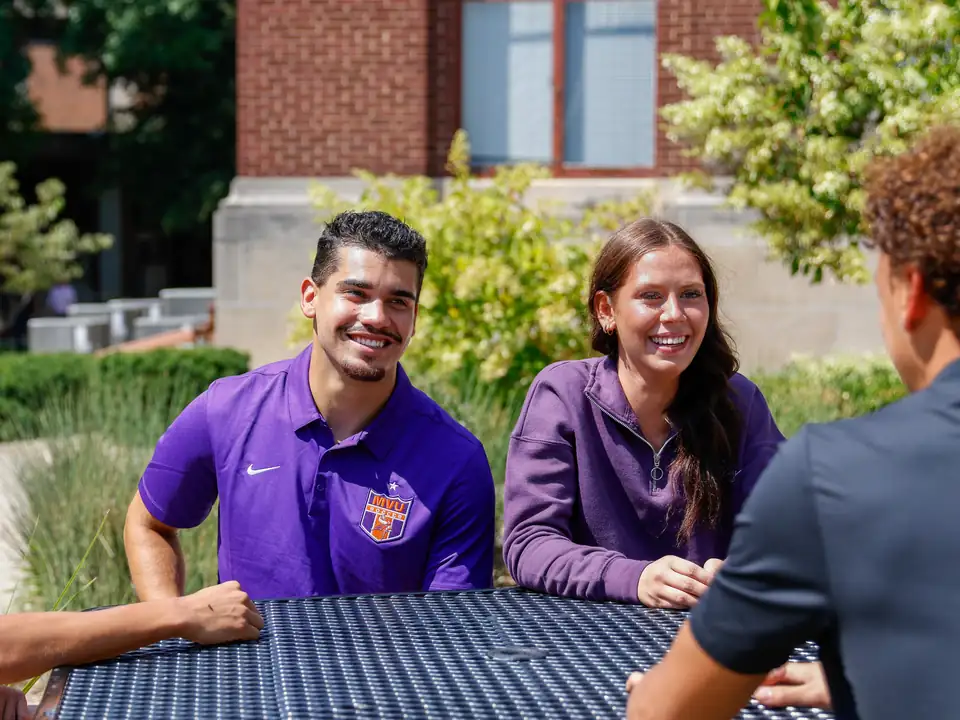
As an F-1 student, you can work, but only in approved ways and only after you’re authorized. Working without approval can end your SEVIS record and your legal status, so check with the International Office before you accept any job.
On-Campus Jobs
Work up to 20 hours a week during fall and spring, and full time during official breaks. Openings depend on university hiring needs.
Curricular Practical Training (CPT)
Gain experience in your major through an internship or job while you study. Approved by the International Office before you start.

Optional Practical Training (OPT)
Work in your field for up to 12 months per degree level, usually after you graduate. Approved by USCIS.
Off-campus work isn’t allowed without CPT or OPT. That includes paid and unpaid jobs, internships, remote work, and freelance work.
Work Authorization and Taxes, Step by Step
On-campus jobs
You can work on campus as long as:
- You work no more than 20 hours per week during the fall and spring semesters. Full-time work is allowed during official school breaks.
- You maintain your F-1 status and meet enrollment requirements.
- Your job is on campus or at an eligible site officially affiliated with MVU.
How to start an on-campus job
- Get a job offer from an MVU department or an office officially affiliated with the university.
- Bring your hiring letter to the International Office to confirm your eligibility and receive an employment authorization letter.
- Complete your hiring paperwork with Human Resources.
- Apply for a Social Security number using the required employment documents.
Finding a job: job openings depend on university hiring needs. Check the Student Employment page, and contact the International Office to confirm a position qualifies before you accept it.
Curricular Practical Training (CPT)
CPT lets F-1 students gain practical experience through jobs or internships directly related to their major. CPT is part of your academic program and may be required or credit-based.
CPT requirements
- The work must be directly related to your program of study.
- It must be required, or approved for academic credit by your advisor.
- You must complete one academic year (two semesters) in F-1 status before starting CPT. Exceptions may apply for graduate students.
- The International Office must approve it.
- Your CPT must be listed on your Form I-20 with your employer’s details and work dates.
- Part-time CPT: 20 hours or less per week during semesters.
- Full-time CPT may be allowed during school breaks or with academic approval.
Want the details? Read the internship and CPT guide for F-1 students (PDF)
Optional Practical Training (OPT)
Optional Practical Training (OPT) is temporary work authorization for F-1 students. It lets you gain work experience in the United States in a job directly related to your major. Students usually use OPT after completing a program, such as a bachelor’s or master’s degree.
Key information
- OPT is work authorization approved by U.S. Citizenship and Immigration Services (USCIS).
- It allows you to work in your field of study.
- It’s temporary employment based on your F-1 status.
What OPT helps you do
- Apply what you learned in your academic program
- Gain practical work experience in your field
- Prepare for a professional career after graduation
How long it lasts
- You may be eligible for up to 12 months of OPT per degree level.
- STEM students may qualify for an extension, if applicable.
Want the details? Read the OPT student guide (PDF)
Rules that protect your status while you work
- Never work off campus without written approval from the International Office or USCIS.
- Keep on-campus work to 20 hours a week during semesters (full time during breaks).
- Don’t let work interfere with full-time enrollment or other visa requirements.
- Have CPT authorization on your I-20 before you start. For OPT, don’t start until you have your EAD card and your approved dates.
- Keep copies of job offers, updated I-20s, EAD cards, and USCIS approvals.
- Tell the International Office right away about any change, like starting or ending a job, applying for OPT, or changing employers.
Taxes for F-1 students
If you work in the United States as an F-1 student, you must follow U.S. tax laws. Taxes are based on your income and your immigration status, even if you earned a small amount or worked only part time. Every student who was in the U.S. during the year must also complete basic tax reporting.
What you need to know
- All F-1 students must file tax forms each year.
- Even if you didn’t work, you may still need to submit a tax form.
- If you worked, you must report your income to the U.S. government.
- File every year by April 15, for income earned during the previous calendar year (January 1–December 31).
Common tax forms for F-1 students
- Form 8843 (opens in a new tab): for all F-1 students, even if you had no income.
- Form 1040-NR (opens in a new tab) (or a similar income tax form): if you earned income in the U.S.
Getting help
You don’t have to do this alone. The International Office recommends Sprintax (opens in a new tab), tax software built for international students, to prepare your federal and state forms.
Please note: the International Office doesn’t prepare or file taxes for students, but we can point you to resources and explain the general requirements.
Know the
Terms
Immigration paperwork is full of acronyms. Here’s what the ones you’ll see most often mean. Feel free to share this list with your family.
Visas, status, and entry
F-1 visa
The entry document a U.S. embassy or consulate places in your passport. It lets you ask to enter the U.S. as a student. It can expire while you’re here without affecting your status, as long as you keep F-1 status and a valid I-20.
F-1 status
Your legal immigration category as a full-time student. You keep it by enrolling full time, keeping your documents valid, following work rules, and reporting required information on time.
Port of entry
The airport or land border crossing where you enter the U.S. A Customs and Border Protection officer checks your documents there and decides whether to admit you.
I-94
The official record of your arrival in the U.S. You can look up your most recent one on the CBP I-94 website.
School and immigration records
Form I-20
The immigration document MVU issues to show you’re eligible for F-1 status. It lists your personal information, program, degree level, program dates, and financial information. You need it to get your visa, enter the U.S., keep your status, apply for work authorization, and travel. Keep it valid at all times.
SEVIS (Student and Exchange Visitor Information System)
The U.S. government database that tracks international students, including enrollment, address, work authorization, and immigration history. MVU is required by federal law to keep your SEVIS information accurate.
SEVIS record
Your individual record in SEVIS. It must stay active for you to keep F-1 status. If it’s terminated, you lose legal status.
People who can help you
International Office
MVU’s office for international student support. It issues I-20s, provides travel signatures, authorizes employment, updates SEVIS records, and gives immigration advice. It’s your first stop for any immigration question.
Designated School Official (DSO)
A trained staff member authorized by the U.S. government to manage international student records. DSOs issue and update I-20s, authorize CPT, sign for travel, and update SEVIS.
Principal Designated School Official (PDSO)
The official who leads MVU’s international student program, keeps the university in compliance with federal rules, and oversees SEVIS.
Work authorization
Curricular Practical Training (CPT)
Permission to do an off-campus internship, training, or job directly related to your major as part of your program. The International Office approves it and records it on your I-20 before you start. Working without CPT, or outside its dates, is a status violation.
Optional Practical Training (OPT)
Permission to gain work experience in your field, most often after you finish your program and sometimes before. USCIS approves it.
Employment Authorization Document (EAD)
The work permit card issued by USCIS. It’s your proof that you’re allowed to work on OPT.
Government agencies
U.S. Citizenship and Immigration Services (USCIS)
The Department of Homeland Security agency that handles immigration applications, including OPT, EADs, change of status, and F-1 reinstatement. You need USCIS approval before starting OPT work.
U.S. Customs and Border Protection (CBP)
The agency that inspects travelers entering the U.S. CBP officers can admit you, deny entry, and ask about your studies and status. Final permission to enter comes from CBP at the port of entry, not from your visa alone.
Student and Exchange Visitor Program (SEVP)
The Department of Homeland Security program that certifies schools to enroll international students and issue I-20s, monitors their compliance, and manages SEVIS. MVU is SEVP-certified.
Finishing your program
Grace period
The time after you complete your program to prepare to leave the U.S., transfer to another school, or apply for OPT. For F-1 students, it’s usually 60 days.
Student
Resources
Settle in, stay healthy, and get involved. These campus services are here for you.
Student Health Center
Get free, accessible health services right on campus.
Health Insurance
All international students must keep valid health insurance throughout their studies. Review MVU’s plan for international students.
Questions about your plan? Contact Joshua Laird, Head Athletic Trainer
660-831-4270
lairdj@moval.edu
Transportation and Shuttle
Learn about MVU shuttle services during school breaks, plus ways to get around Marshall.
Student Activities
Get involved, meet new people, and enjoy campus life through clubs, events, and activities.
Student Organizations
Join a student organization, build leadership skills, meet new people, and show your Viking Pride!
Academic
Resources
From your first class to graduation day, these tools and offices help you stay on track and reach your academic goals.
Academic Calendar
Stay on top of class start dates, breaks, holidays, and deadlines.
Academic Schools
Explore programs, courses, and resources to help you reach your academic goals.
Student Success Center
Get support with academics, personal growth, and career goals.
Academic Support Services
Get personalized academic coaching and resources to help you succeed in your classes.
MyMoval
Your MVU email, Canvas, and Colleague Self-Service in one place. Find your classes, check your student information, and manage academic tasks.
Graduation
Find graduation requirements, deadlines, applications, ceremony details, and the steps to get ready.
Contact the International Office
The International Office is here to support you with your immigration requirements and help you maintain your F-1 status. Contact our office for guidance before making changes that may affect your status, including travel, enrollment, or employment.


International Office
international@moval.edu
660-815-3244