
Music Auditions & Bands
Music audition requirements.
Whether you want to major or minor in music or earn a music scholarship in any major, your audition is your first step. Here’s exactly what to prepare for your instrument or voice.
Audition deadline
Audition by May 1 for fall.
To set up your audition or ask a question, contact:
Instrumental music: Dr. Alexandros Fragiskatos
fragiskatosa@moval.edu
Vocal music: Cheryl Lines
linesc@moval.edu
Before you audition
Show us what you can do.
Pass an audition to be admitted as a music major or minor, or to earn a music scholarship as a music or non-music major. Learn more about Tuition & Financial Aid.
Scales
Instrumentalists and pianists perform all major and minor scales, two octaves.
Sight reading
Every audition includes a short sight reading excerpt. Singers sight sing a short melody and sing back melodies played on the piano.
Two contrasting pieces
Prepare two contrasting solos that show your tone and technique. Singers perform two art songs from memory.
Missed the May 1 deadline? Auditions after May 1 are considered case by case. Reach out to the contact for your instrument or voice to find out what’s possible.
Audition requirements
What to prepare for your instrument.
Open your area below. For instrumental solos, prepared pieces can be standard etudes, contest pieces, or movements from larger works.
Strings, woodwinds, and brass
- Perform all major and minor scales, two octaves, legato and staccato.
- Perform a short sight reading excerpt.
- Perform two contrasting prepared solos that show tone quality and technical skill. These can be standard etudes, contest pieces, or movements from larger works. The music doesn’t need to be memorized.
Piano
- Perform all major and minor scales, two octaves.
- Perform a short sight reading excerpt.
- Perform two contrasting prepared solos that show tone quality and technical skill. These can be standard etudes, contest pieces, or movements from larger works. The music doesn’t need to be memorized.
Percussion and drums
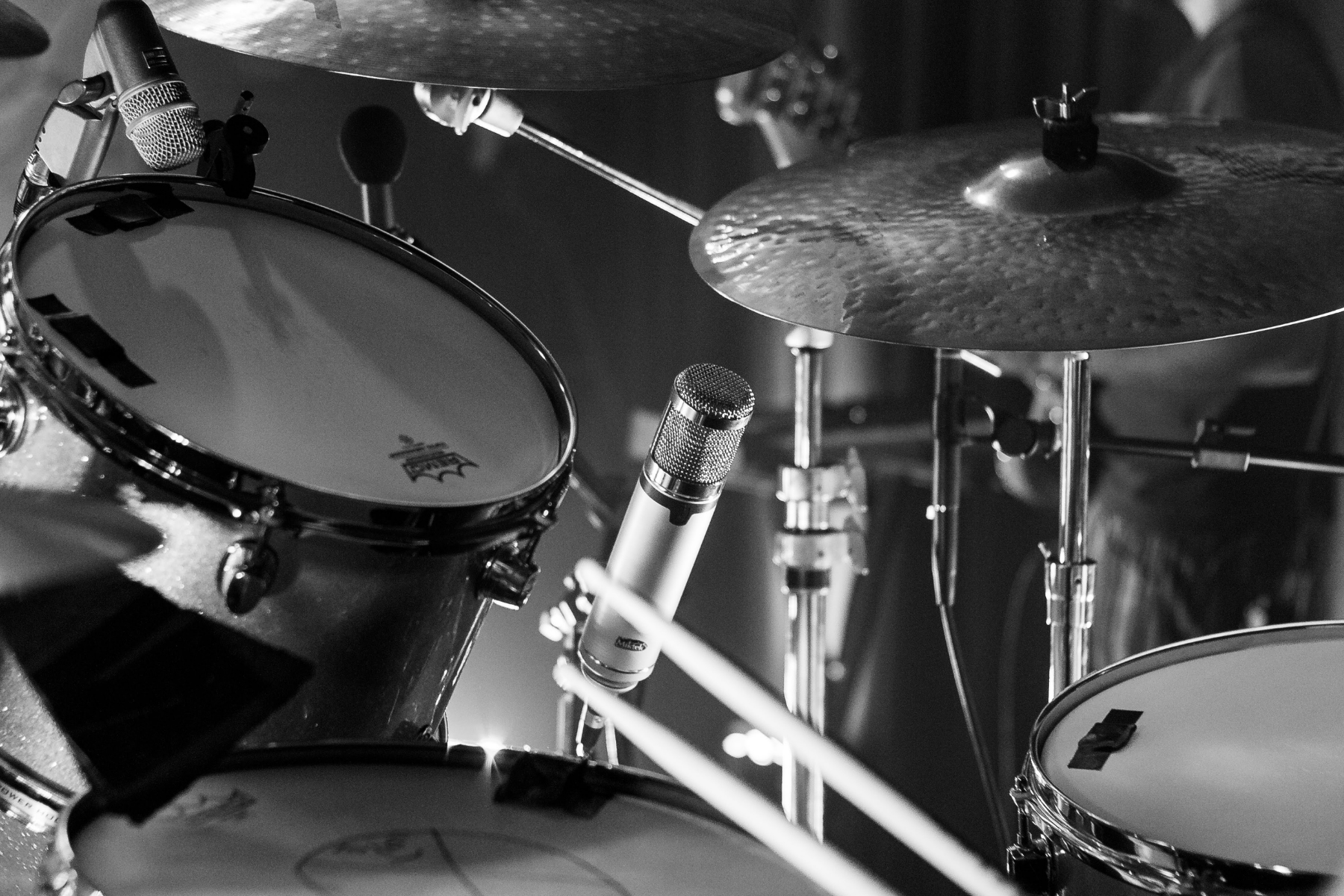
All percussion students perform the keyboard, snare drum, and drum set requirements. Timpani is optional.
Keyboard percussion
- Perform all major and minor scales, two octaves, at a medium tempo.
- Perform one short 2-mallet sight reading excerpt.
- Perform one 2- or 4-mallet prepared solo on marimba, xylophone, or vibraphone. This can be a standard etude, short piece, or movement from a larger work. Suggestions:
- An etude from Morris Goldenberg’s Modern School for Xylophone, Marimba, and Vibraphone
- A George Hamilton Green xylophone ragtime solo
- A movement from J.S. Bach’s 6 Sonatas and Partitas for Violin
- A David Friedman vibraphone solo
- Paul Smadbeck’s Etude No. 1, 2, or 3
Snare drum
- Rudiments:
- Buzz (closed) roll, 30 seconds, mf > pp < ff
- Double stroke (open) roll, slow to fast to slow
- Flam tap, slow to fast to slow
- Single paradiddle, slow to fast to slow
- Single ratamacue, slow to fast to slow
- Perform one prepared concert snare solo. Suggestions:
- Mitchell Peters’s Intermediate Snare Drum Studies, #13 and up
- Mitchell Peters’s Advanced Snare Drum Studies
- Anthony Cirone’s Portraits in Rhythm
- Vic Firth’s The Solo Snare Drummer
- Perform one rudimental snare solo (optional). Suggestions:
- Charley Wilcoxon’s The All-American Drummer
- John Pratt’s 14 Modern Contest Solos for Snare Drum
- Edward Freytag’s The Rudimental Cookbook
Drum set
- Perform jazz and rock styles in 4/4, alternating between 3 measures of steady time and 1 measure of fill.
Timpani (optional)
- Perform a prepared timpani solo. Suggestions:
- Garwood Whaley’s Fundamental Studies or Musical Studies for the Intermediate Timpanist
- An etude from Mitchell Peters’s Fundamental Method for Timpani
- Vic Firth’s The Solo Timpanist
Vocal music
- Perform two contrasting art songs from memory. Both may be in English, though at least one art song in a foreign language is preferred. Suggested collections:
- Joan Frey Boytim, The First Book of Solos, Parts I, II, or III
- John Glenn Paton, 26 Italian Songs and Arias
- G. Schirmer, Twenty-Four Italian Art Songs
- Gary Arvin, 15 American Art Songs
- Perform a short melodic sight singing exercise.
- Show your tonal retention skills by singing back short melodies played on the piano, a cappella.
MVU Bands
Calling all music makers.
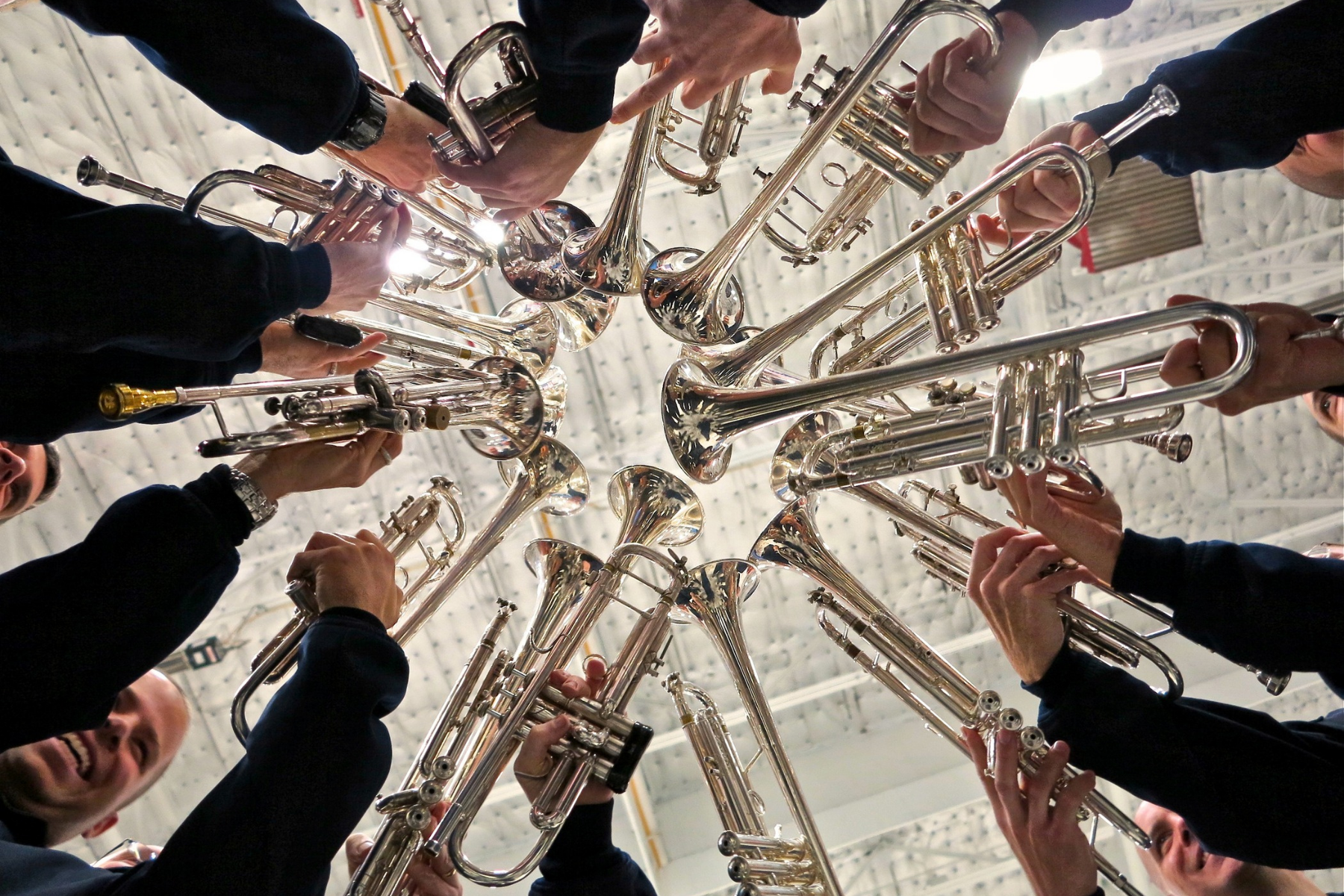
Singers, instrumentalists, and music tech-heads: if you love making and sharing music and the energy of a live concert, there’s a place for you here. Help build a high-energy music ensemble at Missouri Valley University.
You don’t need to be a music major to join. Whether you’re on stage or firing up the crowd at sports events, your talents will grow, your abilities will expand, and you will matter. You can also earn credit for participating.
The power of music
Live music makes human connections.
Music has always had a unique power to improve our lives. In a world of artificial intelligence and automation, human connection matters more than ever.
Live music creates it: a shared experience between music makers and music lovers, gathered in the same place at the same time.

Join us
Let’s get the music started.
For more information or to hold your spot, contact Eddie Carr, Director of Bands.
Ready to share your music?
Apply to Missouri Valley University for free, then schedule your audition or save your spot in the band.