
Missouri Valley University
Honors College

Welcome to the Honors College
Go further with your education.
The Honors College helps highly motivated students reach their full potential through challenging academic experiences, meaningful co-curricular opportunities, and close collaboration with faculty and fellow students. If you’re curious and ready to be challenged, this is your place.
Admissions
Who we’re looking for.
Above all, we look for students who are curious, ready to be challenged, and eager for a richer academic experience.
New first-year students
All applications are read holistically, and admissions decisions are based on an overall assessment of the applicant’s preparation for the challenges of the Honors College. Typically, students have a GPA of 3.5 or higher and/or test scores around the 75th–80th percentile.
Transfer and current students
Current MVU students, and transfer students with an Associate of Arts degree and a GPA of 3.5 or higher from any accredited college or university, are invited to apply for the two-year Honors track. Admitted transfer students who completed an honors program at an accredited community or junior college are guaranteed admission.
Academics & Curriculum
Learn to think across boundaries.
Honors isn’t about harder work for its own sake. It’s about doing things in ways that help you get the most from your education.
What you’ll gain
- Read difficult texts, write analytically and persuasively, speak confidently, and think critically.
- See how many disciplines can work together on complex, real-world problems.
- Broaden your cultural awareness through the fine arts and new experiences.
- Work closely with fellow Honors students and faculty mentors.
- Recognize the world’s needs and how your gifts can help meet them.
How Honors fits into your degree
- Seminars replace general education courses. Most of your Honors credits come from seminars that count toward general education requirements you’d take anyway.
- Contract projects take you deeper in your major. In two courses in your major, you’ll do additional work that builds on your interests. They don’t add credit hours.
- You’ll finish with original work. Thesis tracks end with an Honors thesis in your major. The Honors minor ends with an interdisciplinary research project.
Honors tracks
Choose your path through Honors
There are three ways to complete the Honors curriculum. Each one shows what you’ll take and when.
Four-year track · Option 1
Honors thesis
18 credit hours
Start in the fall of your first year.
- First-year fall
HONR 180: Introduction to Honors (1 credit hour) - First-year spring through junior year
Five interdisciplinary Honors seminars (15 credit hours) - Junior or senior year
Two contract courses in your major (additional work, no additional credit) - Senior year
HONR 400: thesis research (1 credit hour) and HONR 485: Honors thesis in your major (1 credit hour)
Also includes the language requirement below.
Four-year track · Option 2
Honors minor in Applied Integrative Studies
18–19 credit hours
Start in the fall of your first year.
- First-year fall
HONR 180: Introduction to Honors (1 credit hour) - First-year spring through junior fall
Four interdisciplinary Honors seminars (12 credit hours) - Junior spring (or summer)
HONR 400: interdisciplinary research project, research (1 credit hour) - Senior fall
HONR 491: interdisciplinary research project, analysis (3 credit hours) - Senior spring
HONR 492: interdisciplinary research project, implementation and assessment (1–2 credit hours)
Some other requirements differ slightly for the minor. Ask the Dean for details.
Two-year track
Honors thesis
9 credit hours
For current and transfer students. Start in the fall of your junior year.
- Junior fall
HONR 180: Introduction to Honors (1 credit hour) - Junior spring through senior fall
Two interdisciplinary Honors seminars (6 credit hours) - Junior or senior year
Two contract courses in your major (additional work, no additional credit) - Senior year
HONR 400: thesis research (1 credit hour) and HONR 485: Honors thesis in your major (1 credit hour)
Also includes the language requirement below.
Language requirement for both thesis tracks
Complete one of these: two semesters of a foreign language, a study abroad/study away experience, or one contract course from an approved list. International students are exempt. Talk with the Honors College Dean for details.
Honors seminars
Seminars and when they’re offered
Each seminar takes the place of a general education requirement. Each one is offered in either the fall or the spring, so plan ahead.
Fall semester
Fall seminars
- HONR 210: Humanity, Rhetoric & Advocacy
Counts toward: Oral Communication - HONR 290: Humanity & Science
Counts toward: Natural Sciences (non-lab) - HONR 390: Humanity & Society
Counts toward: Social & Behavioral Science* - HONR 395: Humanity & Difference
Counts toward: Humanities & Fine Arts, Group 3
*HONR 390 doesn’t fulfill the Constitution requirement.
Spring semester
Spring seminars
- HONR 190: Humanity & Stories
Counts toward: ENGL 160* - HONR 291: Humanity & Creativity
Counts toward: Humanities & Fine Arts, Group 1 - HONR 315: Humanity & Meaning
Counts toward: Humanities & Fine Arts, Group 3 - HONR 490: Humanity & Moral Responsibility
Counts toward: Humanities & Fine Arts, Group 2
*Earn a C or higher in HONR 190 for it to replace ENGL 160.
Optional Honors courses
- HONR 301: Honors Field Learning. Hands-on research and service learning during intersession or summer.
- HONR 310: Highly Selective Application Springboard. Prepare for research experiences, competitive fellowships (such as Goldwater, Truman, and Fulbright), and selective graduate programs.
Plan your path
Questions about which track fits you or how to schedule your seminars? The Dean can help you plan. The handbook and forms are here:
Community & Co-Curricular Activities
Learn together, beyond the classroom.
Honors students form a close community, with friendships and experiences that extend well past class.
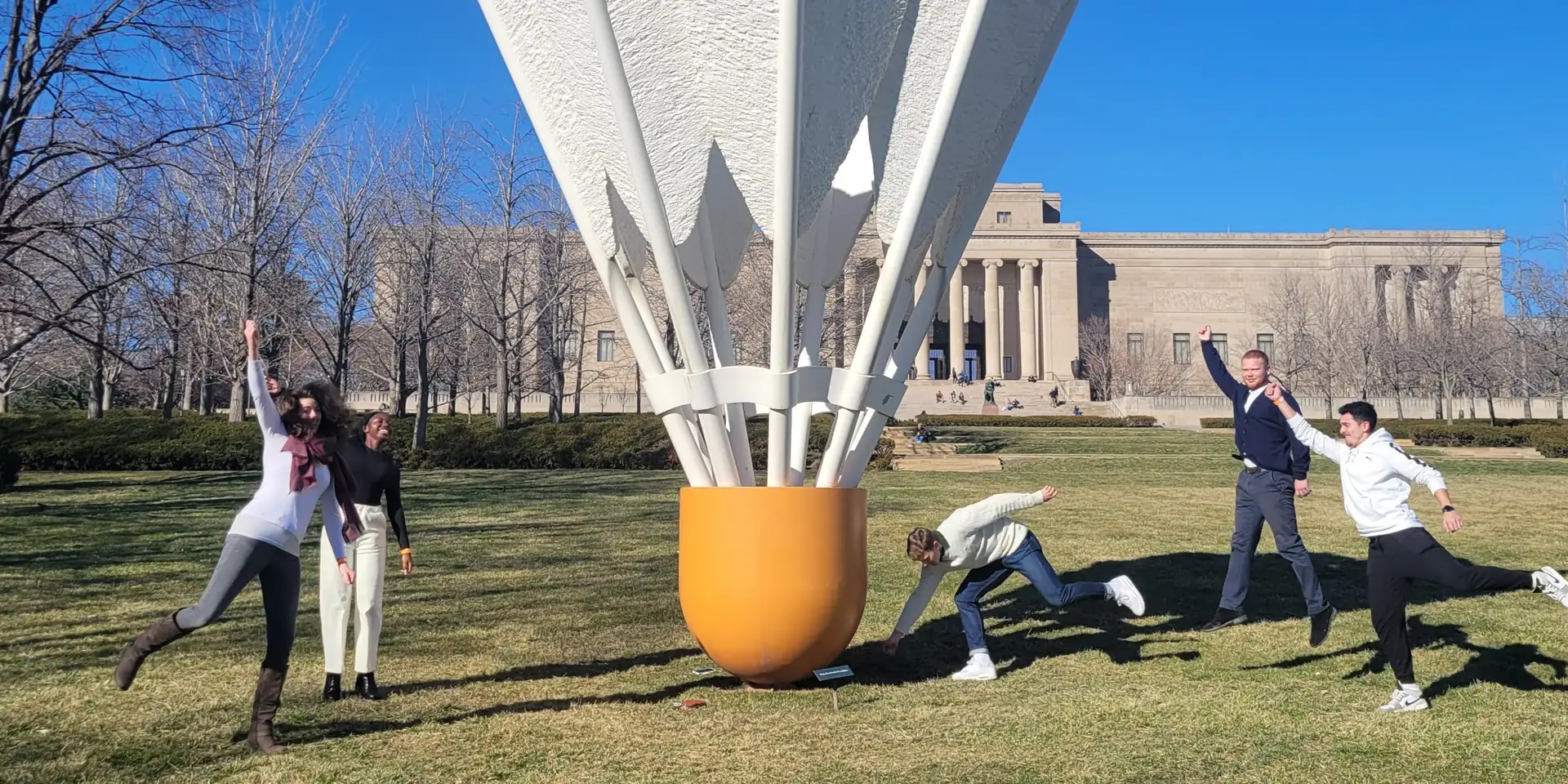
Field trips
Travel beyond campus to see and experience places you might not otherwise get to visit.
Student-led service
Plan and lead service projects with fellow Honors students.
Distinguished speakers
Meet and network with guest speakers from a range of fields.
Conferences
Attend academic conferences across the country and share your work.
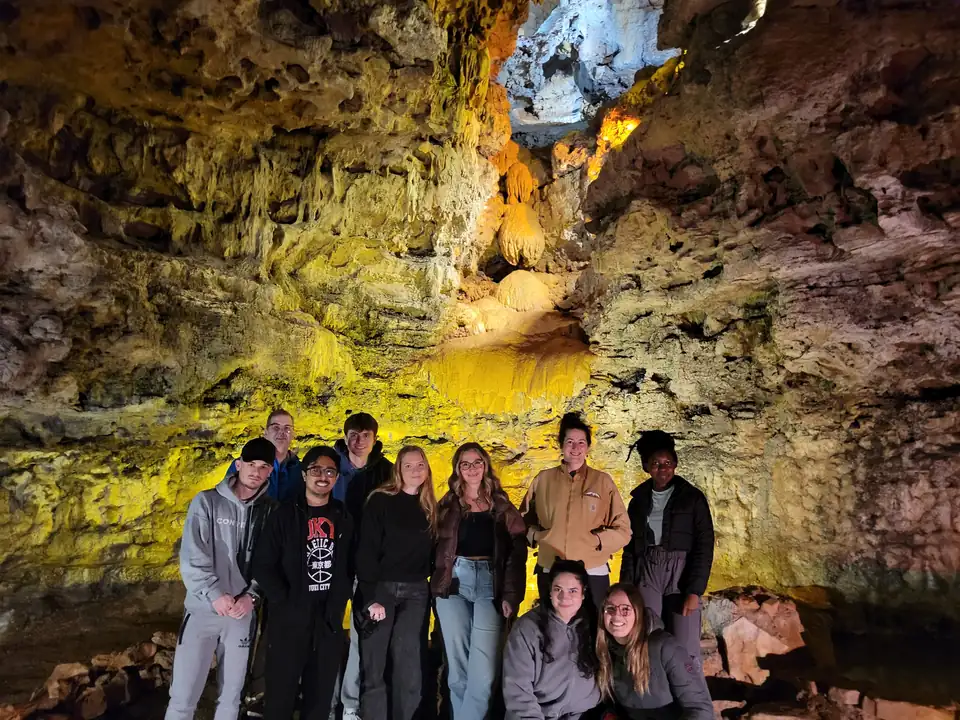
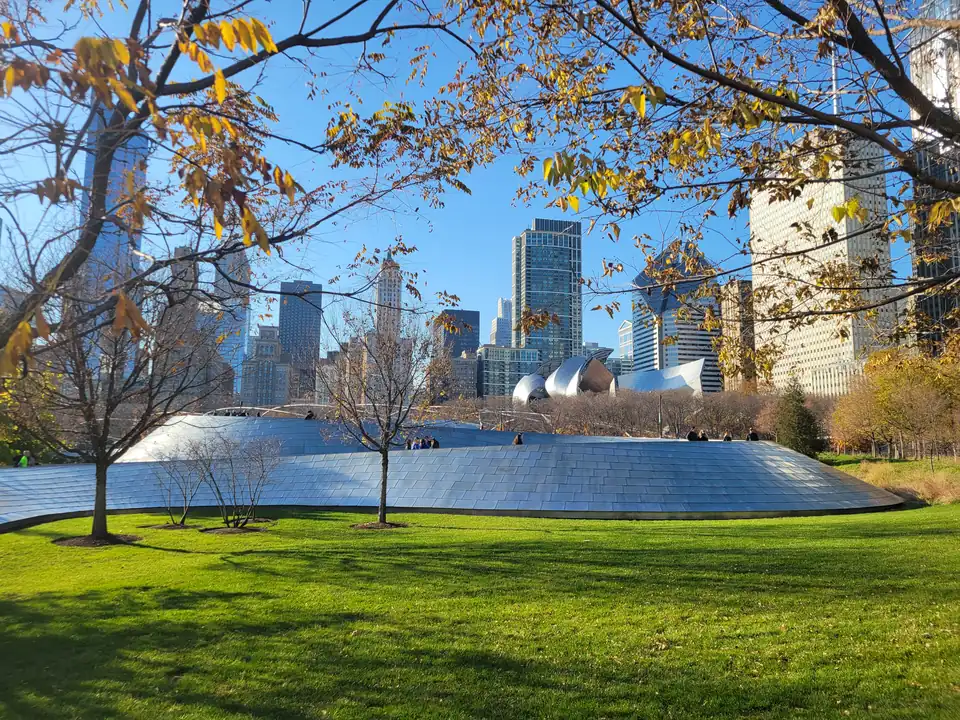


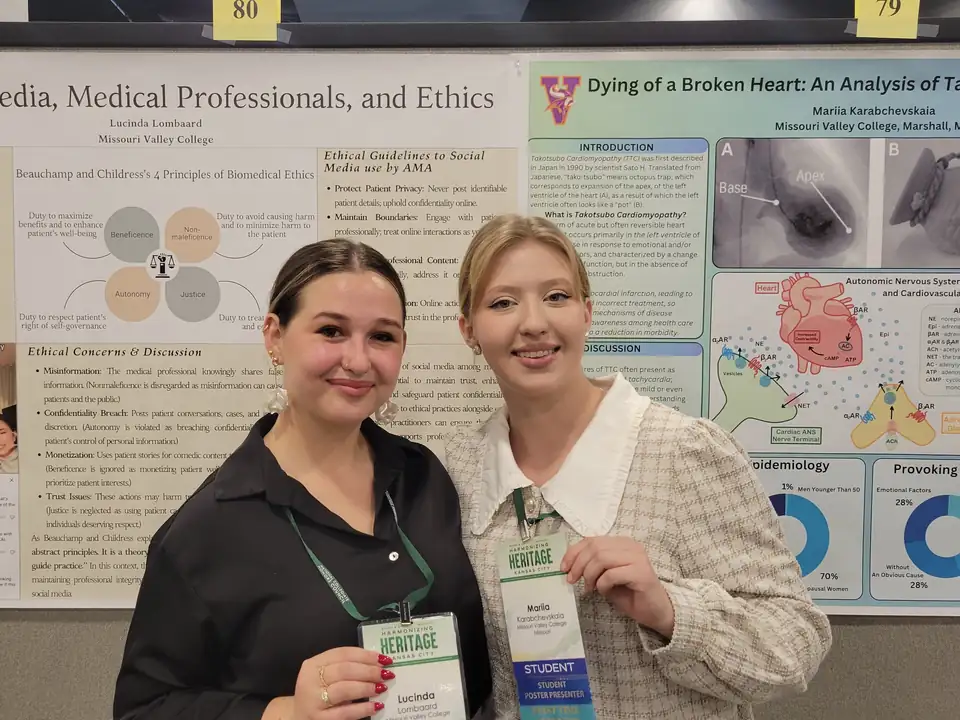
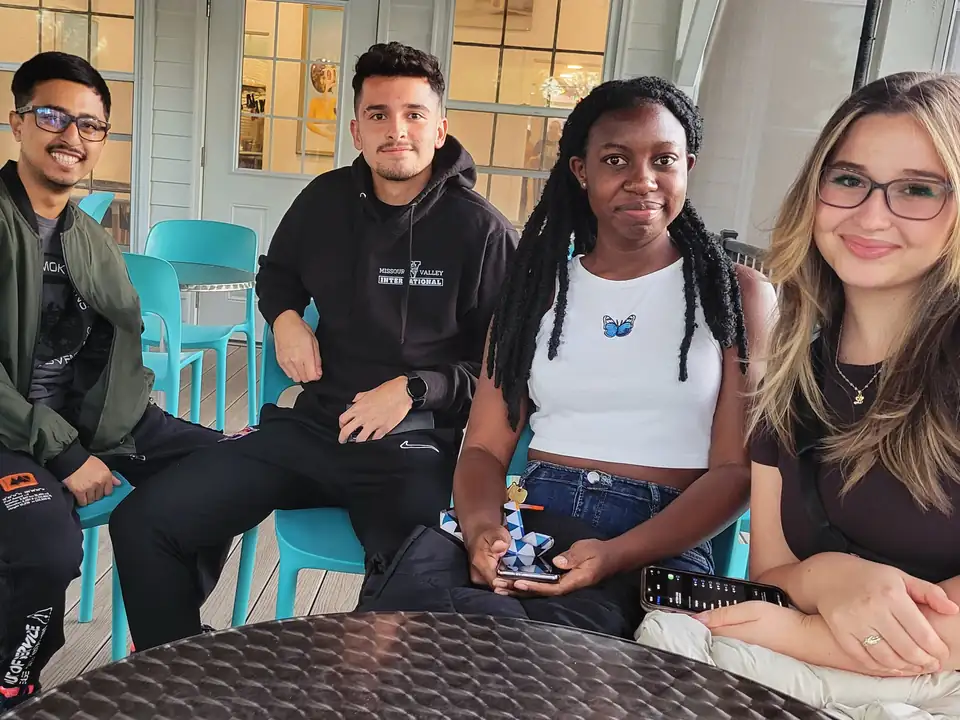
See what Honors students are up to
Trips, research, service, and everyday moments from the MVU Honors College community.


Benefits & Opportunities
Advantages that add up.
Honors students receive exclusive benefits that make the most of their time at MVU.
Priority registration
Register for classes early so you can build the schedule you need.
Priority housing
Get priority housing starting in the fall of your sophomore year.
Graduate school pathways
Get a head start on medical, dental, law, physical therapy, public service, and environmental programs through agreements with partner universities.
Professional development
Join workshops and bootcamps that prepare you for graduate school and your career.
Scholarship opportunities
Honors College students have access to additional scholarships through organizations such as the National Collegiate Honors Council.
Competitive applications
Get guidance applying for research experiences, national fellowships, and selective graduate programs.
Honors education at MVU connects you to a national network. Learn more about the National Collegiate Honors Council (NCHC).
Graduate school pathways
Get a head start on what’s next.
MVU has agreements with partner universities that give Honors students early, guaranteed, or priority paths into graduate and professional programs.
Kansas City University
Osteopathic medicine (D.O.) & dental medicine (D.M.D.)
Apply early and begin at KCU’s College of Osteopathic Medicine or College of Dental Medicine after your junior year. Your credits from the first year at KCU transfer back to MVU to complete your undergraduate degree.
Requirements: 90 undergraduate hours, the relevant prerequisite courses, a 3.25 cumulative GPA, and a 3.5 science GPA.
University of Arkansas
Clinton School of Public Service: Master of Public Service (M.P.S.)
Guaranteed admission, plus consideration for scholarship support (reviewed annually).
Requirements: A GPA of 3.5 or higher.
University of Missouri
Doctor of Physical Therapy (D.P.T.)
A guaranteed interview for admission.
Requirements: A 3.6 GPA in the core required courses and in your last 60 credit hours.
University of Missouri School of Law
Juris Doctor (J.D.), 3+3
Start law school after your junior year. Your first-year law credits transfer back to MVU.
Requirements: At least 60 credit hours when you apply and 90 when you enroll, with a GPA and LSAT score in line with the medians of the previous year’s incoming class.
University of Missouri–Kansas City
Medical Scholars Program: Doctor of Medicine (M.D.)
Apply to the Medical Scholars Program as early as your sophomore year. If accepted, rest easy knowing you have a spot in medical school waiting for you. Acceptance doesn’t commit you to attend.
Requirements: See the Dean for program details.
Indiana University Bloomington
O’Neill School of Public & Environmental Affairs
Requirements: See the Dean for details.
When you apply to one of the six master’s programs below, you’ll get:
- Priority admission consideration
- A waiver of the application fee
- A scholarship of at least 25% of tuition
Programs:
- Master of Public Affairs
- Master of Public Policy
- Master of Science in Environmental Science
- Master of Environmental Sustainability
- Master of International Affairs
- Master of Arts in Arts Administration
These are summaries. Each agreement has its own terms, and admission still depends on each school’s process. Talk with the Dean early to plan your courses.
Student Testimonials & Alumni Achievements
In their own words.
Honors students on what they value most about the Honors College.
“I think what I most enjoy about Honors is how the honors classes you take bring out different perspectives on different topics… Along with that, the Honors trips are always the highlights of the semester for me since I get to explore places that I would not be able to otherwise.”
Rubal Pradhan
Computer Information Systems · Kathmandu, Nepal
“My favorite part of the [MVU] Honors College are the field trips. I love the idea of ‘learning outside of the classroom’ and being a part of this program gives me opportunities to do that.”
Sidni Hunter
Biology · Snyder, Texas
“The Honors College not only places importance on diving deeper into academic topics, but it creates a space for students to engage with each other and form deeper connections… Thanks to the Honors College program I have formed friendships that I will forever cherish.”
Lucinda Lombaard
Biology, Pre-med · Richards Bay, South Africa
“I enjoy all the field trips that we get to attend with the Honors College… I also enjoy the Honors College classes and the academic challenges that they provide, and having the Honors College professors inspire new thought-provoking ways of doing research papers and presentations.”
Chane Higgo
Art and Mass Communication · Bellville, South Africa
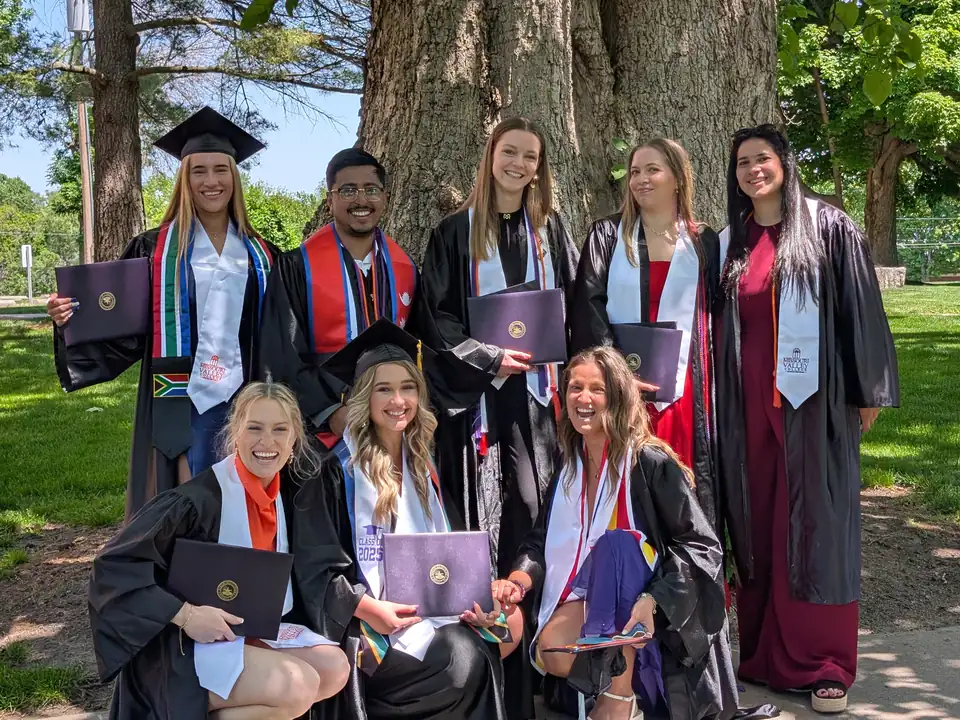
Alumni achievements
We’re gathering stories from Honors College graduates to share here. Are you an Honors alum? Tell us where your path has taken you: graduate school, a profession, research, service, or something else entirely.
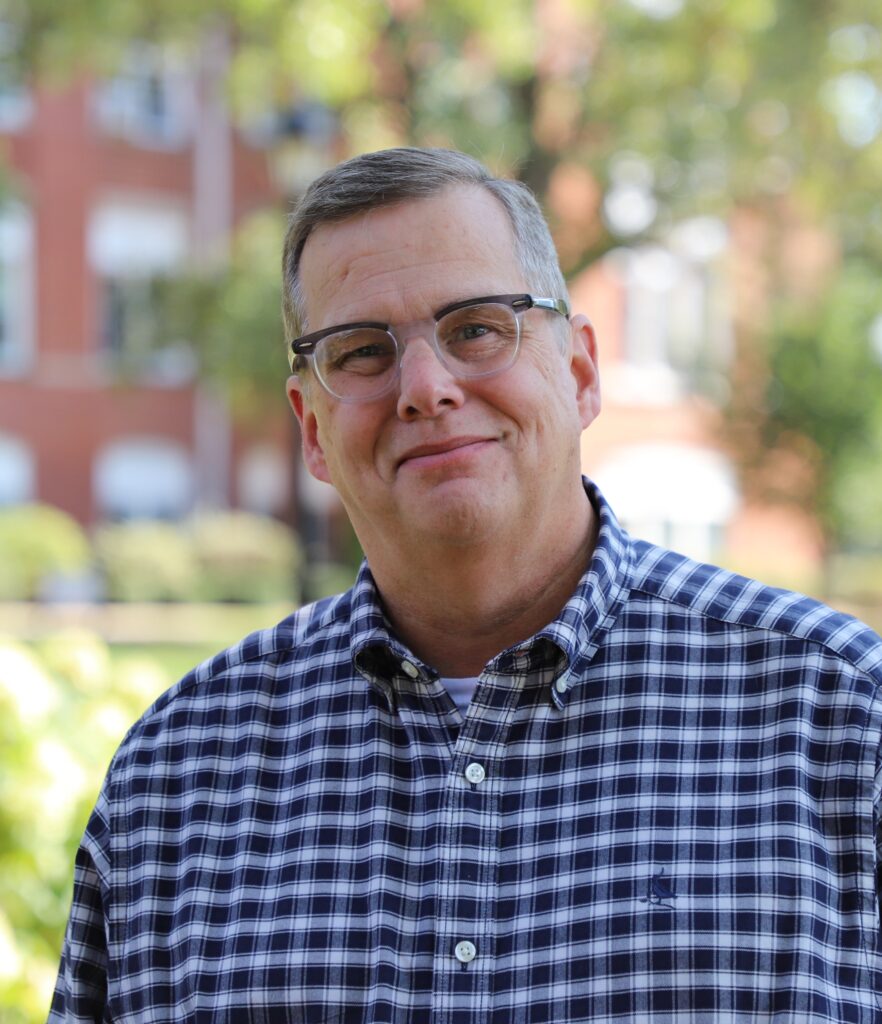
Leadership
Questions? Talk with the Dean.
The Honors College prepares curious, motivated students to enter graduate school and professional careers with confidence, through enhanced academic and co-curricular opportunities that develop essential intellectual skills, foster close student-faculty collaboration, and promote curiosity and questioning.
Ready to be challenged?
Applications are read holistically. Not sure if Honors is right for you? Talk with the Dean.